
1. The Science of the 30-Day Crack: Molecular “Scissors”
In the world of professional car rigging, suction cups face a brutal environment of high-speed wind resistance and intense vibration.
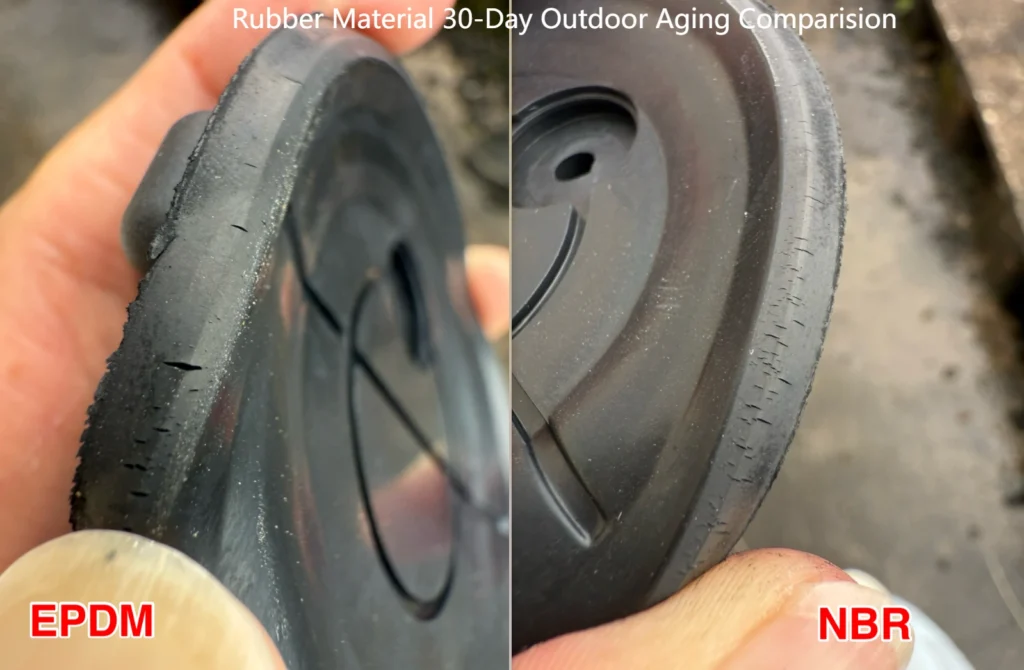
- Unsaturated Molecular Chains: Low-grade rubber (like NR or cheap SBR) contains “unsaturated double bonds.” In outdoor conditions, Ozone and UV rays act like invisible scissors, snipping these molecular chains apart.
- The Reality: The “spider-web” cracks you see are the result of internal stress being released after the molecular structure collapses. At 100km/h, these micro-cracks are a ticking time bomb for your expensive equipment.
Understanding the physics of interface mechanics is the first step in protecting your equipment from these molecular failures.
2. The “Black Box” of Materials: Polymer Content (R.C.)
Many buyers ask, “Is it EPDM?” But in the factory, the real secret lies in the Compounding Recipe and why pros still trust manual pump suction cups over automated alternatives in professional fleets.
- The “Dilution” Trap: To lower costs, budget manufacturers reduce the actual polymer content (R.C.) to as low as 15% and fill the rest with recycled carbon black or paraffin oil.
- Why It Fails: When fillers are too high, the molecular network is too thin. As cheap oils evaporate under the sun, the material becomes brittle, leading to the catastrophic failure seen in low-end mounts.
3. Curing Systems: Smell, Blooming, and Professionalism
Have you ever opened a package and been hit by a pungent chemical stench? This white powdery substance (Blooming) compromises the vacuum seal. Understanding the safety mechanisms and the physics behind the vacuum indicator is essential for ensuring a reliable seal.
- Low-End Sulfur Curing: Cost-effective, but leaves residual sulfur that causes foul odors and “blooming.”
- Premium Peroxide Curing: This advanced process creates a stable, cross-linked molecular structure. It is odorless and offers superior heat resistance (up to 90°C), making it the gold standard for high-end automotive accessories.
4. Preventing the “Ghost Ring”: Protecting Your Vehicle’s Clear Coat
For a professional cinematographer or a premium vehicle owner, the worst nightmare is finding a permanent “yellow ring” on the car paint after removing a mount.
- Chemical Migration: Cheap cups use low-cost Aromatic Oils as softeners. These chemicals penetrate the vehicle’s Clear Coat over time.
- Irreversible Damage: This is a chemical stain. No amount of polishing can fix it. Our Non-Migratory Patent Formula ensures that your paint remains pristine, establishing the HD-75 as the professional standard for RVs and fleets.
Conclusion: 180+ Days of Weather Resistance by Design
Our advantage comes from molecular-level engineering. With over 20 years of expertise in polymer modification, we’ve solved the riddle of maintaining elasticity without using migratory oils.
Don’t let a $10 suction cup be the reason your $10,000 gear hits the pavement. Choose professional-grade reliability for your next shoot or Starlink journey.